95bFM
95bFM Why Tāmaki Makaurau has a bus driver shortage
19 April, 2023
Interview by Alex Bonham, adapted by Georgi Stirling
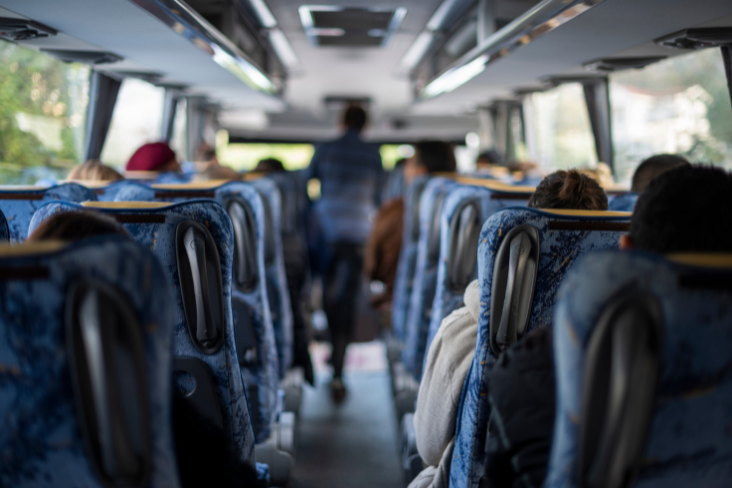
General Secretary of First Union, Dennis Maga says both the pay and the work conditions in place have led many bus drivers to leave the industry. Photo: Canva.
Listen to the full interviews with the General Secretary of First Union, Dennis Maga, and Greater Auckland transport spokesperson Matt Lowrie.
Since the COVID-19 pandemic, thousands of bus services in Tāmaki Makaurau have been cancelled due to an ongoing driver shortage.
General Secretary of First Union, Dennis Maga, told Alex Bonham on 95bFM’s The Wire that several factors, including low wages, security issues, and split shifts have made it difficult to recruit and retain drivers.
“Both the pay and the work conditions in place have led many bus drivers to leave the industry.”
Split shifts are when a bus driver, for example, starts early in the morning, then takes a four hour unpaid break, before starting their afternoon shift.
Maga said drivers spend these breaks at a bus depot or stay parked in various spaces across the city depending on when they need to return to work and which route they will be driving next.
He argued that extended breaks between shifts should be paid or compensated as overtime, as they result in very long work days.
Off the back of a recent incident in Mt Roskill, where a bus driver was stabbed and had to be taken to hospital for serious injuries, security has become a major concern for bus drivers.
Maga said drivers experience regular verbal and racial abuse and often feel obliged to intervene when an incident occurs between their passengers.
He argued abuse against drivers has made the industry less attractive to potential workers.
“These drivers are very passionate about their work. Even though they do not want to be involved in any incidents, as long as you are their passenger, they believe they should look after you.”
Many places overseas, such as the UK, use safety cubicles that separate drivers from passengers to avoid potential physical abuse.
Greater Auckland transport spokesperson Matt Lowrie told The Wire that Auckland Transport had been looking at this as a safety measure, but he is unsure why they have yet to roll it out.
“That would be an easy solution that can be put up relatively quickly to help improve that safety condition.”
He believes improving working conditions for drivers is the responsibility of both Auckland Transport and the bus companies who hire the drivers.
“AT contracts out those bus companies. AT are the ones who, if something goes wrong, that is AT’s service that gets cancelled, and AT has to manage that relationship with their customers.”