95bFM
95bFM What Nicola Sturgeon’s resignation means for Scottish independence
February 20, 2023
Interview by Liam Hansen, adapted by David Liwei Shi
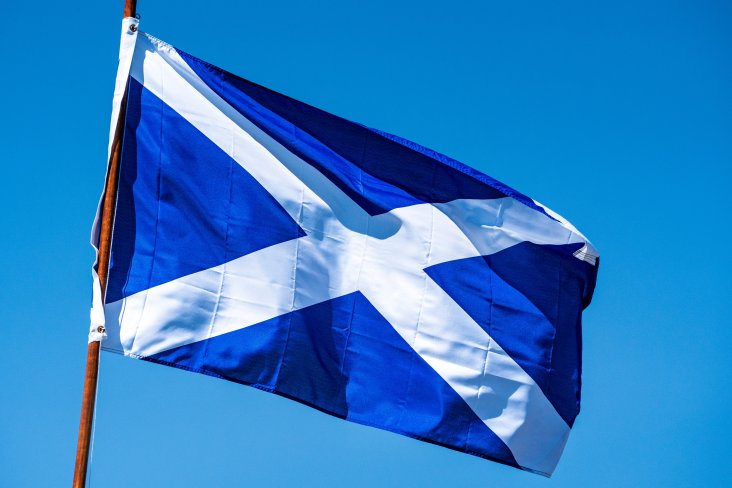
The resignation of Scotalnd's first minister, Nicola Sturgeon, leaves the prospect of Scottish independence from the UK unclear. Photo: Chris Robert, Unsplash.
Nicola Sturgeon has announced her resignation as Scotland’s first minister, after spending eight years in the role.
Sturgeon was the country’s first woman first minister, and the longest-serving in Scotland’s history. She was a senior member within the pro-independence Scottish National Party (SNP) for more than 20 years, starting off as Deputy First Minister in 2007, before becoming leader and first minister following the failed 2014 referendum on Scottish Independence.
Nicola Sturgeon’s role in the Scottish independence movement
95bFM European correspondent, Cameron Adams told Liam Hansen on The Wire that Sturgeon is seen as the face of Scottish independence following Brexit, and that her resignation came at “a critical time” for the party.
In November 2022, the UK Supreme Court ruled against the Scottish parliament calling a second unilateral referendum on Scottish independence. During the party’s first referendum in 2014, voters backed staying in the UK by 55% to 45%.
After the Supreme Court ruling, Sturgeon vowed to campaign in the next UK-wide election, expected to be held in 2024, solely on a platform of whether Scotland should become independent from the UK, causing a de-facto referendum.
The UK’s influence on Scottish gender recognition reform
In January 2023, the Scottish Parliament narrowly passed a gender recognition reform bill, which aimed to simplify the process of legally changing an individual’s recognised gender.
The bill was hailed by transgender rights activists as a landmark piece of legislation.
However, the bill saw widespread opposition in the UK, even from members of Sturgeon's own party, and the bill was blocked by UK Prime Minister Rishi Sunak under the Scotland Act, the first time in history this power has been used.
Sunak claimed the law would undermine UK wide legislation because residents in other parts of the UK are required to undergo a medical exam to have their legally recognised gender match their gender identity.
Sturgeon said that Sunak’s decision was undermining Scotland’s democracy, and used this action to further her calls for Scottish independence.
What does Sturgeon's resignation mean for the future of Scottish independence?
With Sturgeon's resignation, the prospect of Scottish independence isn’t as clear, as she was instrumental to the movement, and a new leader could mean a new strategy for the party to seek Scottish independence.
95bFM European correspondent, Cameron Adams says that three potential contenders have been suggested for the SNP leadership; John Swinney, Kate Forbes and Angus Robertson, but there is no clear successor.
John Swinney is currently Deputy First Minister and was previously the SNP leader between 2000 and 2004. But he has ruled himself to be the next leader.
Kate Forbes, Scotland’s Finance Secretary is an active member of the Free Church of Scotland, whose religious beliefs conflict with many key SNP and policies on abortion, queer rights, and transgender issues.
Culture and External Affairs Secretary, Angus Robertson, a former Westminster SNP leader, is experienced in running SNP campaigns.
However, he is ill-received by the left of the party after forcing a change in SNP policy before the 2014 referendum, supporting an independent Scotland joining NATO.
The selection of a new leader is expected to take weeks or months to process, and Sturgeon plans to remain in office until her successor is elected.
Public interest journalism funded through NZ On Air