95bFM
95bFM University student wellbeing inquiry reveals more than half are struggling to afford basic needs
19 July, 2022
Interview by Emilia Sullivan, adapted by Joel Armstrong
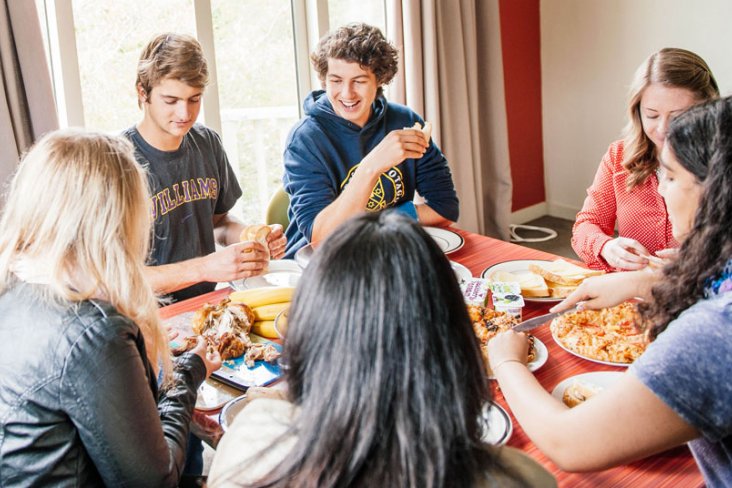
NZUSA National Vice-President Sam Blackmore says that students are struggling to make ends meet. Photo: Unsplash.
A new survey of more than 4,500 students has found that 66 percent of tertiary students do not have enough to cover the cost of food, clothing, or other basic needs.
The inquiry into student wellbeing gave a stark look at the dire conditions students are in while navigating their degrees.
It was found that students living in shared flats spend more than 56 percent of their weekly income on rent.
Two-thirds struggle with basic necessities such as paying for food, clothing, healthcare, and other requirements, with disabled, Māori, and Pasifika students being more likely to be in this position.
The results of the inquiry were released by the Green Party, the New Zealand Union of Students' Associations (NZUSA), Te Mana Ākonga, Tauira Pasifika, and the National Disabled Students’ Association.
“We opened this Inquiry when it was clear neither the government nor the supposed opposition was interested in the real data or experiences of students on the ground," Green Party Tertiary Education spokesperson, Chlöe Swarbrick said in a statement.
"We said it would give us irrefutable evidence of the systemic barriers and challenges facing the 400,000 students in this country. It has. This must force change."
The Green Party is calling on the government to lift student incomes and put rent controls in place to reverse the normalisation of student poverty in Aotearoa.
91 percent of students surveyed supported rent controls and 82 percent supported a rental Warrant of Fitness (WoF).
NZUSA National Vice-President Sam Blackmore told 95bFM's The Wire that this inquiry has proved that students are struggling to make ends meet.
“Education is a right, not a privilege. We have an obligation to ensure that all students are able to live while studying."
Blackmore also criticised Education Minister Chris Hipkins for not delivering on the government's 2017 election promise to bring back the postgraduate student allowance.
“Postgrad students were promised by Chris Hipkins that the allowance would be extended to them, however, he has broken his word.”
Hipkins has said that the government has done far more for student wellbeing in the past five years than previous governments.
Student allowance has increased 58.1 percent between 2017 and 2022 according to Hipkins, the first year of university has been made fees-free in the past few years, and apprenticeships have been funded to make them more accessible for people entering the workforce.
Public Interest Journalism funded through NZ On Air