95bFM
95bFM Prisoner separation in Aotearoa raises concern for inmates' well-being
22 June, 2023.
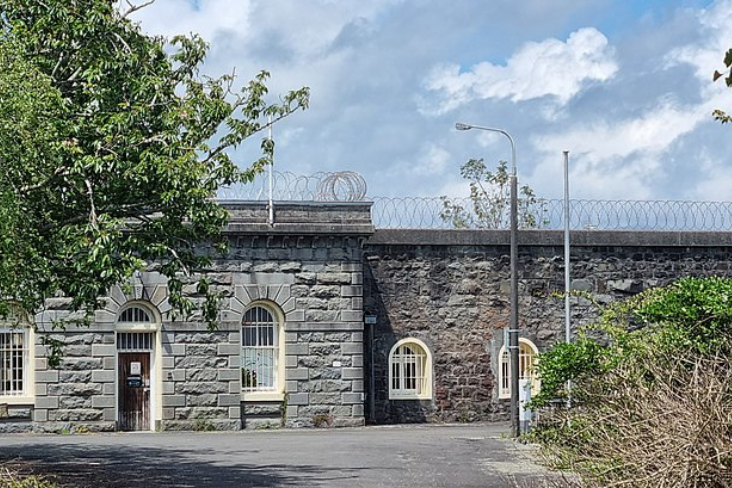
Interview by Spike Keith, adapted by Mahdhi Osman-Penrice. Photo: Wikimedia Commons - New Plymouth Prison
The Office of the Inspectorate; an independent body that evaluates Aotearoa's prisons to ensure all prisoners are treated in a way that is fair, safe, secure, and humane, has renewed their concerns about prisoner separation.
The office has reported that between 1 October 2021 and 20 September 2022, 29% of inmates were separated by Corrections from the general prison population.
Prolonged solitary confinement under the internationally agreed upon ‘Mandela Laws’ means a prisoner has spent 22 hours a day without meaningful human interaction for over 15 days.
Prisoner separation, particularly prolonged separation, has been found to have long-lasting physical and psychological effects on prisoners.
Amnesty International NZ campaigns director Lisa Woods told 95bFM's The Wire that Corrections does not keep adequate data on how regularly prolonged solitary confinement is happening in Aotearoa’s prisons.
But Woods highlighted that the office found that inmates are likely to be housed in restrictive environments.
“The isolation experience is likely to be amplified by the physical environment, which for example, can offer limited sensory stimulation, restricted access to sunlight and fresh air, and they may be unable to see a clock and lose their sense of time.”
Woods believes prisoner separation is a legitimate prison management practice for inmates displaying disruptive or challenging behaviour. But she expressed concern about the impact of long-term solitary confinement on prisoners' mental well-being.
“This type of sensory deprivation means that the units aren’t therapeutic. This is concerning particularly as many of the people in prison who are in these units have poor mental health.”
Woods said that if inmates are separated due to being at high risk of risk of suicide or self-harm then “the risk of harm is huge”.
She is also concerned about the disproportionate amount of Māori represented in prisoners separated.
During its one-year reporting period, the office found that 65% of separated prisoners were Māori, which is 13% higher than the percentage of Māori in the general prison population.
Woods is calling for change to the unjust “structural issues” in prisons that have come from New Zealand's “colonial history” and “racism,” due to Māori prisoners being disproportionately affected by prison separations.
“We need transformation of the system, and the government needs to be working with Māori to design an approach to justice that upholds Te Tiriti.”
Public Interest Journalism funded through NZ On Air