95bFM
95bFM New study to investigate blood donation ban for queer men
9 May, 2022
Interview by Isla Christensen and Stella Huggins on Tomorrow's World, apdated by Jessica Hopkins
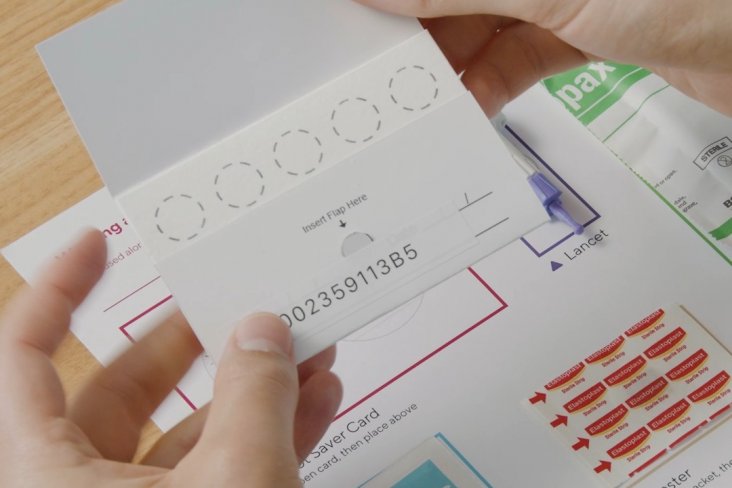
A new study is aiming to update estimates of undiagnosed HIV in Aotearoa for the first time since 2011. Photo: SPOTS Study Aotearoa.
A new SPOTS (sex and prevention of transmission) study will gather data from 4000 gay, bisexual, takatāpui, and other men who have sex with men (MSM).
The study aims to update estimates of undiagnosed HIV within our communities of MSM in Aotearoa for the first time since 2011, before prevention measures like PrEP were available.
Josh McCormack and Cameron Leakey, two researchers on the SPOTS team, told Isla Christensen and Stella Huggins on 95bFM's Tomorrow's World that their kaupapa is the biggest HIV behavioural surveillance or gay sex survey in Aotearoa to date.
Currently, MSM cannot donate blood in Aotearoa until they have waited three months since having oral or anal sex.
"A lot of people, particularly young people, find this a bit messed up and outdated," said McCormack.
"Our study will investigate whether or not it is outdated as well as the attitudes and values of our communities and whether they would or would not donate blood."
A person living with HIV who is on effective treatment presents a very low to virtually zero risk of transmitting HIV.
"The highest risk is those living with HIV that don't know and aren't on treatment," said Leakey.
MSM, including cis and trans men, can find out how to participate in the survey, which involves an online survey and optional dry blood spot test, at SPOTS.org.nz.
Trans women, non-binary, and gender diverse people who have sex with MSM are also encouraged to participate. Participants can be of any HIV status, ethnicity, region, or relationship status.
Tomorrow's World is a segment on 95bFM's The Wire that explores how science affects people and our future on planet Earth.
Public Interest Journalism funded through NZ On Air