 95bFM
95bFM Expert warns people to be aware of mild symptoms after first monkeypox case in Aotearoa
11 July, 2022
By Joe Wickins
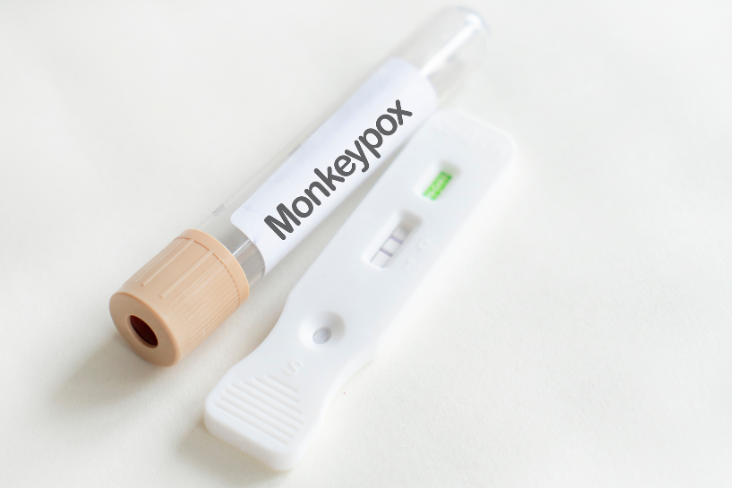
Despite reporting our first case of monkeypox, Kurt Krause, a Professor of Biochemistry at the University of Otago, is optimistic that Aotearoa can avoid widespread community transmission. Photo: Canva.
Health authorities have reported the first confirmed case of monkeypox in New Zealand.
The person, who is in isolation, lives in Auckland and recently returned from overseas travel in a country with reported monkeypox cases.
New Zealand is now one of more than 50 countries to record cases of monkeypox in an outbreak that took off two months ago.
The Ministry of Health has stated that there is no evidence of community transmission, with a small number of people being contacts.
Given the increase in cases internationally, including in Australia, the ministry said they are prepared for the arrival of monkeypox.
"We have already taken steps to prepare for the arrival of monkeypox. Last month monkeypox was officially listed as a notifiable disease enabling us to utilise the tools needed to contain any possible spread of the disease, including isolation orders and readying contact tracing capabilities."
A monkeypox PCR test is available in New Zealand laboratories and was used to detect this first case.
Kurt Krause, a Professor of Biochemistry at the University of Otago, told 95bFM's The Wire that monkeypox cases have been expected here, with 5000 cases worldwide and 20 cases in Australia.
But Krause assured monkeypox is not an imminent threat.
"The case number and infectiousness are nothing like Covid."
Monkeypox is spread between people predominantly through intimate skin-to-skin contact with someone who has a legion.
Krause encouraged people to stay cautious even for mild symptoms to avoid spreading the virus.
"With this latest outbreak, people are getting mild lesions and not getting very sick. I think what is behind the spread is people not knowing they have it."
Krause said he is optimistic that with the proposed public health measures in place, including isolation and vaccines that New Zealand can avoid widespread community transmission.
Public Interest Journalism funded by NZ On Air