95bFM
95bFM Flooding and landslides expose growing climate risk for communities
29 January, 2026
Interviews by Sara McKoy, adapted by Gabriella Magdalene
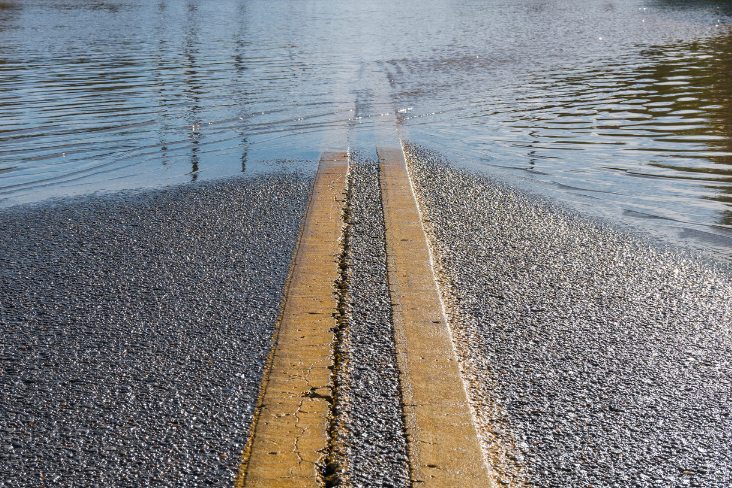
As heavy rains continue to create floods in parts of Aotearoa, climate scientists warn that warmer oceans and shifting weather patterns are causing more intense rain. Worsening weather conditions cause flooding and slips, highlighting the need for increased community support.
Several communities are still struggling with ruined and saturated soil following weeks of rain, with more rainfall expected in the upper North Island.
Climate scientist Kevin Trenberth told 95bFM’s The Wire “The oceans are at record high levels in 2025, and there’s an especially warm spot around New Zealand, and especially just to the east of New Zealand, across toward the Chatham Islands.”
Warmer waters bring more moisture into the atmosphere, feeding heavier rain systems.
Trenberth linked the current pattern to La Niña conditions in the Pacific, when warmer waters near Indonesia drive moisture southward towards Aotearoa.
“There’s a huge, wide atmospheric river coming all the way from Indonesia, down through the Coral Sea and the Tasman, right toward New Zealand.”
Climate change is exacerbating flooding in Northland and Tāmaki Makaurau, increasing the high frequencies of storms that bring heavy rain rather than strong winds.
“When the oceans are warmer, there is more moisture going into the atmosphere, and when it does rain, it rains harder, and the risk of flooding is greater,” he says.
He compares this pattern to what occurred in early 2023, when Auckland suffered heavy rainfall followed by Cyclone Gabrielle.
Trenberth predicts that rising sea levels and high rainfall will pose increasing threats to Aotearoa, particularly in locations built on historic floodplains.
Along with physical threats, climate researchers believe social and political are just as crucial. Climate policy researcher Sasha Maher told 95bFM’s The Wire adapting to climate is frequently centered on property and insurance.
“A whole lot of other things that also are at risk of being lost because of climate impacts. That's not just about property, it's also about people's cultural and social values and the way they feel about where they live and also their possessions.”
Cultural ties, communal well-being, and people’s sense of belonging are all among these losses.
Maher claims that financial institutions frequently dominate decision-making, leaving other voices out. She claims that climate change should be tackled at a political level, not just a personal one.
“More importantly, it's about having conversations with other people, and to help other people and yourself to see the connections between what [are] presented to us as completely separate issues and problems when they're all interlinked.”
She states that without these links, solutions are narrow and reactive, rather than addressing the systems that drive climate consequences.
As ocean temperatures rise, decisions related to land use infrastructure and climate policy will determine how much damage future storms inflict and who suffers the most when they hit. Experts say the question is no longer if flooding will occur, but how prepared communities will be when it does.
While weather patterns vary from year to year, experts warn climate change is increasing the frequency of severe rainstorms across the country. As Trenberth says, “it happens somewhere in and around New Zealand all the time these days… and so this is where New Zealand, I think, is quite vulnerable.”