 95bFM
95bFM The state of Aotearoa's waterways
13 April, 2023
Interview by Simon Wraight, adapted by Rawan Saadi
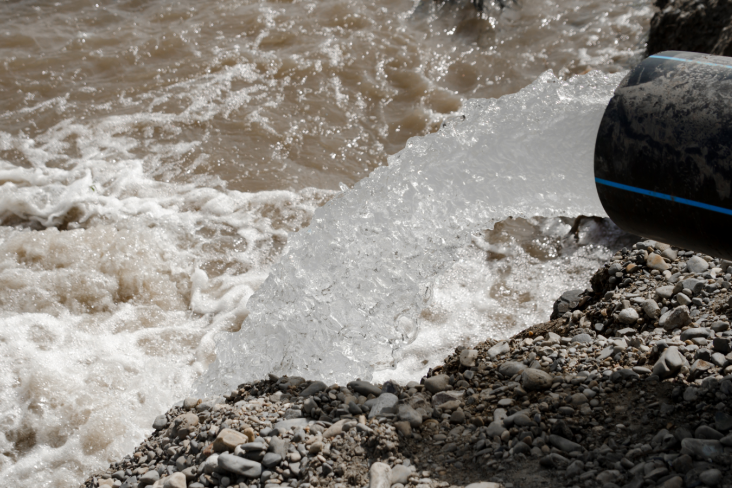
University of Otago researcher, Marnie Prickett, says the government’s Three Waters reforms have the potential to enforce much needed change to Aotearoa’s water systems. Photo: Canva.
A recent report by the Ministry of Environment presents concerning statistics regarding the state of our waterways.
45 percent of our total river lengths have been deemed unsuitable for swimming, and 70 percent of our native freshwater bird species are vulnerable to extinction.
University of Otago researcher, Marnie Prickett, told Simon Wraight on 95bFM’s The Wire that she fears we have been causing intense damage to our beaches and rivers by “treating them as drains” for our waste.
She pointed out that much of this damage has come from our agriculture industry which has been significantly intensified over the last 20 years.
When asked if change was possible, Prickett expressed optimism that we have a chance to improve our waterways, but argued the Ministry's report needed to provide more specific guidance on what actions need to be taken.
“It just gave a sense that we are documenting the decline of our waterways.”
She explained that many of our systems, especially agriculture, have not been designed to accommodate environmental issues.
Today the government announced changes to their Three Waters Reform, proposing 10 public water entities instead of four with little information about co-governance.
Prickett believed Three Waters reform the government’s Three Waters reforms have the potential to enforce much needed change to Aotearoa’s water systems.
While she acknowledged there are some valid concerns about whether the reforms are fit for purpose, she argued that unnecessary worries and fears about co-governance have dominated the discussion.
“I think some people have seen three waters as a wedge issue, they have tapped into people’s underlying, racist worries about co-governance.”
She believed we need to re-focus on “making better decisions for people’s health”, including having safe and clean drinking water, managing waste to ensure it does not become a health hazard, and having efficient storm water systems.
She reiterated that change starts with us questioning our systems and having the social and political will to reconstruct them.