 95bFM
95bFM Unions say minimum wage increase does not go far enough
February 16, 2023
Interviews by Liam Hansen, Spike Keith, and Jessica Hopkins, adapted by Sofia Kent
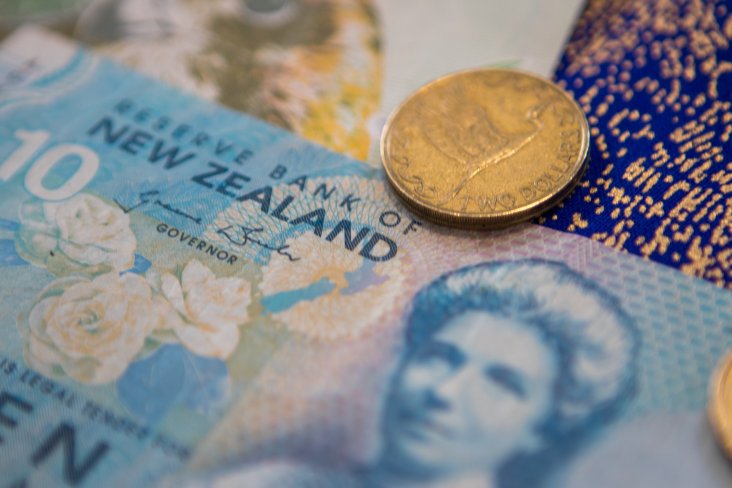
Photo: Unsplash.
Prime Minister Chris Hipkins has announced that the minimum wage will increase by $1.50 to $22.70 an hour from April 1.
The training and starting-out minimum wage will also rise to $18.16 from the current rate of $16.96 per hour.
The increase to match inflation has received mixed reactions. While many workers have gladly welcomed the increase, several retailers are criticising the government's decision.
ACT Party MP Karen Chhour told Jessica Hopkins on 95bFM’s The Wire during their weekly interview that the ACT party believes it shouldn’t just be up to businesses to subsidise government decisions.
“Only 7% of workers are on minimum wage. And only 1.5% of those on minimum wage have dependents. A lot of minimum wage workers are part time workers or students. I just think we need to have a real hard look at who this is going to hurt the most, and it’s going to hurt small businesses.”
However, E Tu Union’s Amy Newman applauded the increase, telling Liam Hansen on The Wire that increases are “absolutely vital”.
“200,000 workers are going to reap the benefits of that minimum wage increase.”
Newman argued that increasing wages improves productivity because it lifts morale, decreases absenteeism, and often makes work more attractive to people.
Newman also challenged the purpose of training and starting-out wages in Aotearoa, criticising it as being age discrimination.
“We’ve got young workers out there that are not earning that additional money for a skateboard, or a trip away. They’re earning that money to ensure that they can sustain themselves.”
John Crocker, National Secretary of Unite Union, told Spike Keith on The Wire that this wage increase has to be looked at in the context of the economic situation we’re in at the moment.
Crocker said that the wage increase is necessary, however, it is not moving workers forward, rather it is just the minimum that is needed to keep them afloat.
“7% is actually just standing still. Unite and other unions will be fighting to get low paid workers a real pay rise and at least a living wage.”
Crocker also rejected claims that the minimum wage increase will be inflationary.
“We’re talking about how it’ll put pressure on a company and have inflationary pressure when we should actually be looking at these record corporate profits, which would have a larger effect on inflation.”
Public interest journalism funded through NZ On Air