 95bFM
95bFM Hate speech law reform pushed back as far-right misinformation rises in Aotearoa
15 February, 2023
Interview by Jessica Hopkins, adapted by Georgi Stirling
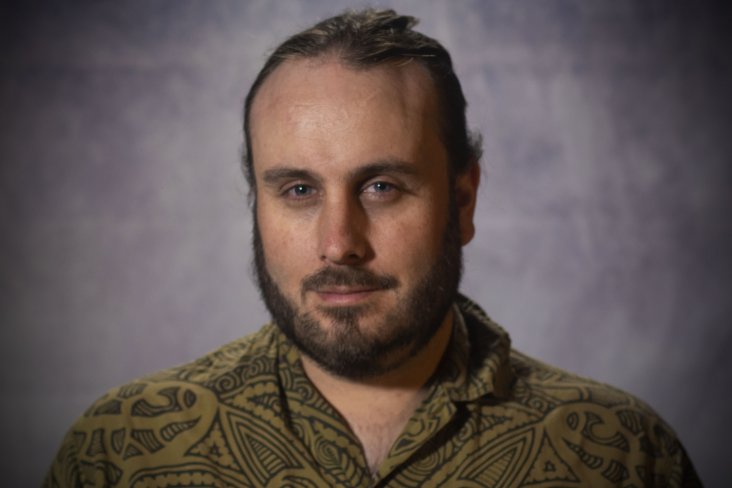
Independent researcher and author Byron C Clark (pictured) argues that the growing far-right influence in Aotearoa has not only come from extremist groups but can also be attributed to political parties. Photo: supplied by Byron C Clark.
There has been widespread debate surrounding hate speech and the influence of far-right ideologies and rhetoric in our political landscape in Aotearoa.
Following the Christchurch mosque attacks in 2019 and the COVID-19 pandemic, conspiracy theories and anti-government sentiment from right-wing extremists have evolved.
With the Prime Minister’s decision to halt the proposed amendment to the human rights act, which would expand hate speech protections to religious groups, there are fears that the far-right's influence will continue to grow.
Byron C Clark, an independent researcher and author of a new book, FEAR: New Zealand’s Hostile Underworld of Extremists spoke to Jessica Hopkins on 95bFM's The Wire that the far-right influence we are seeing in New Zealand politics and in this debate in particular, has not just come from extremist groups, but can also be attributed to political parties inside and outside of parliament.
“Just because a party is outside of parliament doesn't mean they can’t have an influence on politics."
"Certainly in an election year, politicians who are in parliament are going to be looking at what parties are polling at 1 or 2% and thinking about how they can capture that section of the electorate for themselves.”
Clark said that this could explain why the ACT Party has been calling for the repeal of legislation that outlaws inciting racial disharmony.
“A party like ACT could look at what is being said on the fringe and think there are some votes to be won."
“That law has been on the books for 30 years, and ACT wasn’t talking about it until the last couple of years.”
Clark stated that he found the current discourse on hate speech to be “quite frustrating”, as there has been a lot of what he describes as “straw man arguments”.
"Some are arguing that the proposed amendment meant that the government was going to outlaw offending people.”
He clarified that the amendment is “merely expanding on the legislation we have had on the books since 1993 around racial groups and ethnic groups, to include religious groups.”
When it comes to preventing alt-right ideology from permeating into mainstream politics, Clark advised that for the general population, it is important to think critically about what they read in the news and what politicians are saying.
He also called on journalists to condemn politicians who adapt disinformation into their campaigns.
"Journalists can be looking at where these ideas came from and how they made their way to mainstream politics and publishing about that, letting the public know."
To learn more about the history and origins of the alternative right, or how to play a part in preventing the increase in alt-right influence on mainstream media and politics, Byron Clark’s debut book, FEAR: New Zealand’s Hostile Underworld of Extremists, is available now in all major bookstores.
Public interest journalism funded through NZ On Air