95bFM
95bFM Re-revaluating our stormwater systems
February 14, 2023
Interview by Milly Smyth, adapted by Stella Huggins
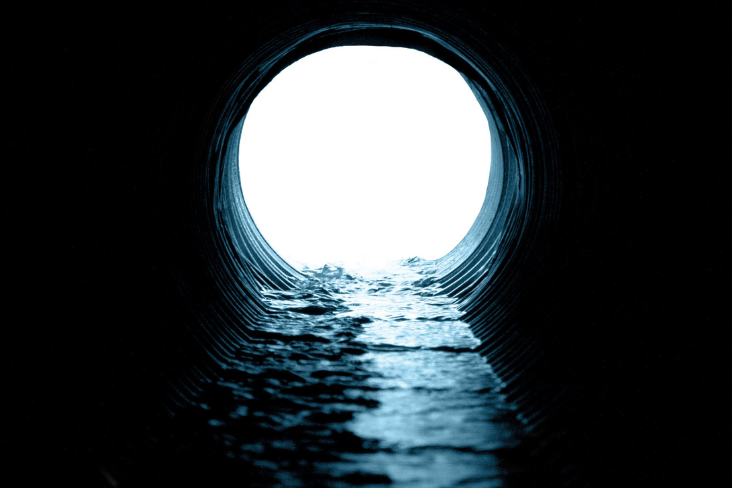
Photo: Unsplash.
Following the major flooding last month and the ongoing cyclone, attention is being drawn to Tāmaki Makarau’s stormwater systems.
Asaad Shamseldin from the University of Auckland’s Department of Civil and Environmental Engineering discussed the capacity of our infrastructure to cope with these events on 95bFM's The Wire.
“First of all, this is very extreme weather, and our stormwater system is not designed to cope with this very extreme weather event. Having said that, I think there is a need for re-evaluation.”
Shamseldin emphasised the need for case-by-case analysis that caters to specific regions.
"A blanket approach will not suffice, due to Tāmaki Makaurau’s unique and changeable topology and geography."
He said that ‘sponge cities’ are a potential solution. The term encapsulates multiple strategies that work in tandem to store water and release it slowly, overall reducing impermeable areas.
This could include the construction of artificial lakes, abundant wetlands, rain guarding, and water storage within parks.
Shamseldin pointed out that parts of Auckland already have these features.
A ‘sponge city’ is also not focused solely on stormwater management but on protecting waterways like streams and maintaining water quality.
Shamseldin said that in the face of climate change, these extreme weather events are predicted to become more and more frequent.
He stressed that we need to analyse why some parts of the city coped better than others in the face of the deluge, and design solutions that are contextual.
Despite the need for a re-evaluation of our stormwater systems, Shamseldin expressed concerns about practicality and where the financial burden lies.
“We also have to remember the shortage of engineers. It’s not something that you just do in one day."
He also stressed the need for community consultation, on how much risk a community is prepared to accept in a design.
“We need to consider]what risk the community is going to tolerate, because engineering design is based on calculating risk.”
Public interest journalism funded through NZ On Air