95bFM
95bFM Increasing temperatures and their impacts on climate policy
8 April, 2026
Interviews by Castor Chacko, adapted by Marlo Schorr-Kon
A report published by the World Meteorological Organization found that 2025 was among the three hottest years on record. As temperatures increase due to climate change and emissions, the world's governments are seeing a similar increase in pressure to act.
Efforts to introduce new climate policies in New Zealand often run into the belief that New Zealand's impact on climate change is minimal, given our small size. Contrary to this belief, however, New Zealand is one of the highest emitters in the world per head capita, and our economy has benefited hugely from burning fossil fuels.
Professor of Climate Change and Physical Geography at Victoria University of Wellington, James Renwick, told 95bFM's The Wire that New Zealand's carbon emissions come primarily from “transport and industry, so people driving cars and all of the industrial uses of fossil fuels." In addition, New Zealand's agriculture industry also emits significant amounts of methane.
Renwick says, therefore, that the narrative around New Zealand's size shouldn't change our approach to reducing emissions.
“You could take any group of 5 million people around the world and they could say, well, we don't add much to the problem, we don't need to do anything. It's just a way of avoiding responsibility, essentially.”
As outlined in the report, these emissions create high temperatures that pose significant risks for our native wildlife, particularly our shorebirds, fish, and alpine birds. As we see a change in the needs of our native species, many of which are already endangered, the response from the Department of Conservation is also changing.
Principal Science Advisor with the Department of Conservation, Drew Bingham, told 95bFM's The Wire that higher temperatures “can really impact our species in a few different ways.
"The temperatures themselves can stress out the animals and our plants as well.”
Bingham says in the same way that people “get hot and don't like heat waves, animals can have the same thing happen to them.
“Over the long term, warmer temperatures and changes in rainfall can also shift around where the plants and animals live, so much larger changes as well.”
When it comes to discussing increasing temperatures, most people think of rising ocean temperatures, which Bingham says is one of the key concerns.
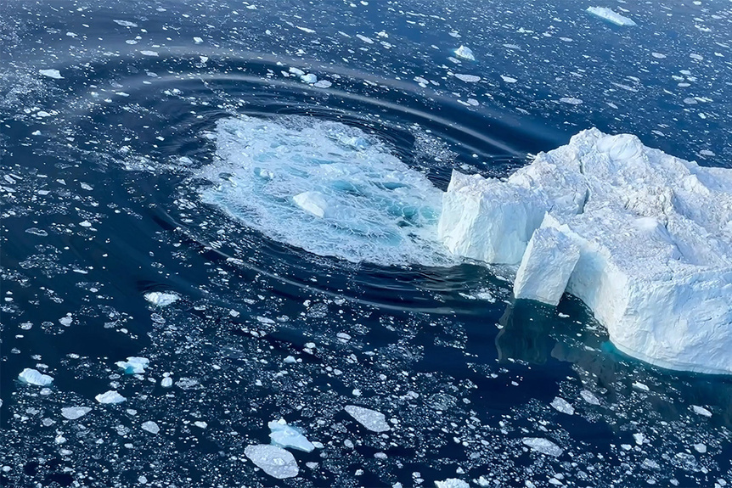
“The rising temperatures are one of the big things that are causing sea level rise. They're melting the glaciers and the ice in the Antarctic and the Arctic, and just warmer water takes up more space. That's a really big contributor to sea level rise, and that's obviously going to have really big impacts on animals that live along the shorelines and that are exposed to bigger storm waves and those sorts of things, especially some of the seabirds that live right at sea level and have their nests right there.”
Given the threats to New Zealand and our native wildlife, James Renwick says reducing emissions should be a focus for the government.
“Anything we can do to reduce our dependence on fossil fuels is a good idea,” Renwick says. “Electrifying as much as possible, making the vehicle fleet fully electric. I see the government has just announced funding to double the number of EV chargers around the country, which is excellent.”
“Subsidising electric vehicles, subsidising rooftop solar panels, putting in wind farms, moving away from burning coal to generate electricity, moving away from burning oil and coal to power industry, and definitely moving away from using petrol and diesel to get both freight and people moving around the country. If the government can facilitate the uptake of electric vehicles, not just for individuals in their homes, but also for freight movements and industry and so on, that would be a big step forward."