bReview: Wunderhorse at the Powerstation
with support from Dropper
Wednesday 17 September 2025
Written by Imogene Bedford
Photography by Rosa Nevison
Will we ever let go of the 90s? It seems like there is always a guitar rock band being deemed the “next” saviour of alternative music. Wunderhorse is no different - the supposed heir to the half-romanticised, half-exhausted legacy of the decade.
It’s something we can’t resist, a habit that is ingrained even in my reviews: a desire to locate the past in the present, to call something great just because I’ve heard it before. Change is harder to swallow.
It’s a shame, because Wunderhorse is so eager to carve out something fresh. They sound less like imitators and more like a band that is willing to push at the edges of what guitar music can be. Perhaps this is why everyone attending tonight’s show at the Powerstation seems to carry a measured cool: the leather jackets, messy fringes, and scuffed boots seem endless.
The opening act are included in that estimation. Though Dropper have only released two tracks, they are relentless performers, opening for Office Dog, Twine, and Shame, plus a slot at Junk Fest. Their sense of command is unmistakable, borne of the years they have each spent in other groups.
Jude Savage was notably a member of the late, great, Bleeding Star, which disbanded last year following the passing of guitarist Otis Hill. The weight of that lingers: Dropper was the name of their debut album, and that record’s appetite for noise hangs on here.
But there’s also an undercurrent of pop to their sound, a lightness that lends them fragility. They would fit well on an early 2000s soundtrack, my friend likening their texture and mood to the UK show Skins. You can hear a hazy youthfulness in their wall of sound.
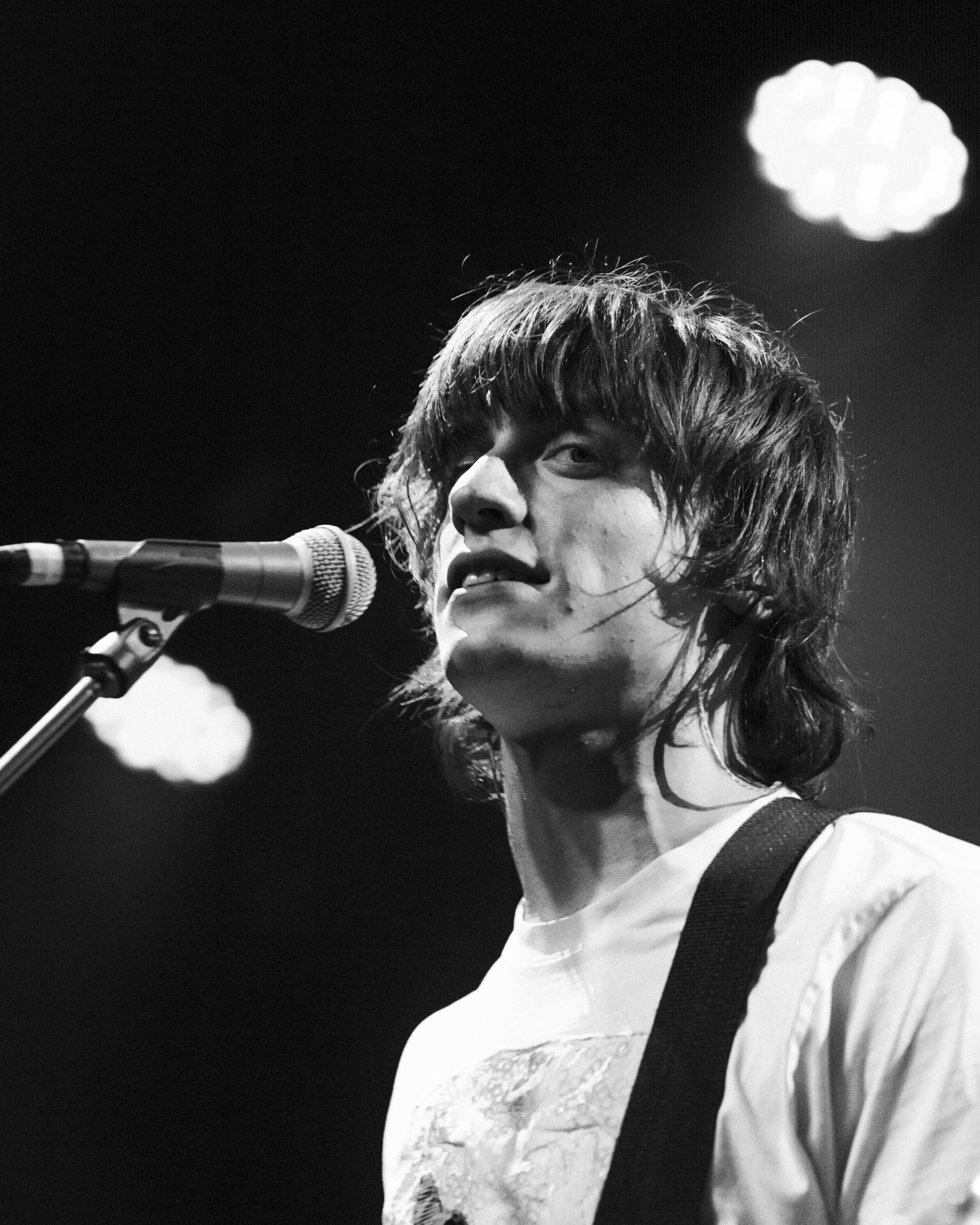
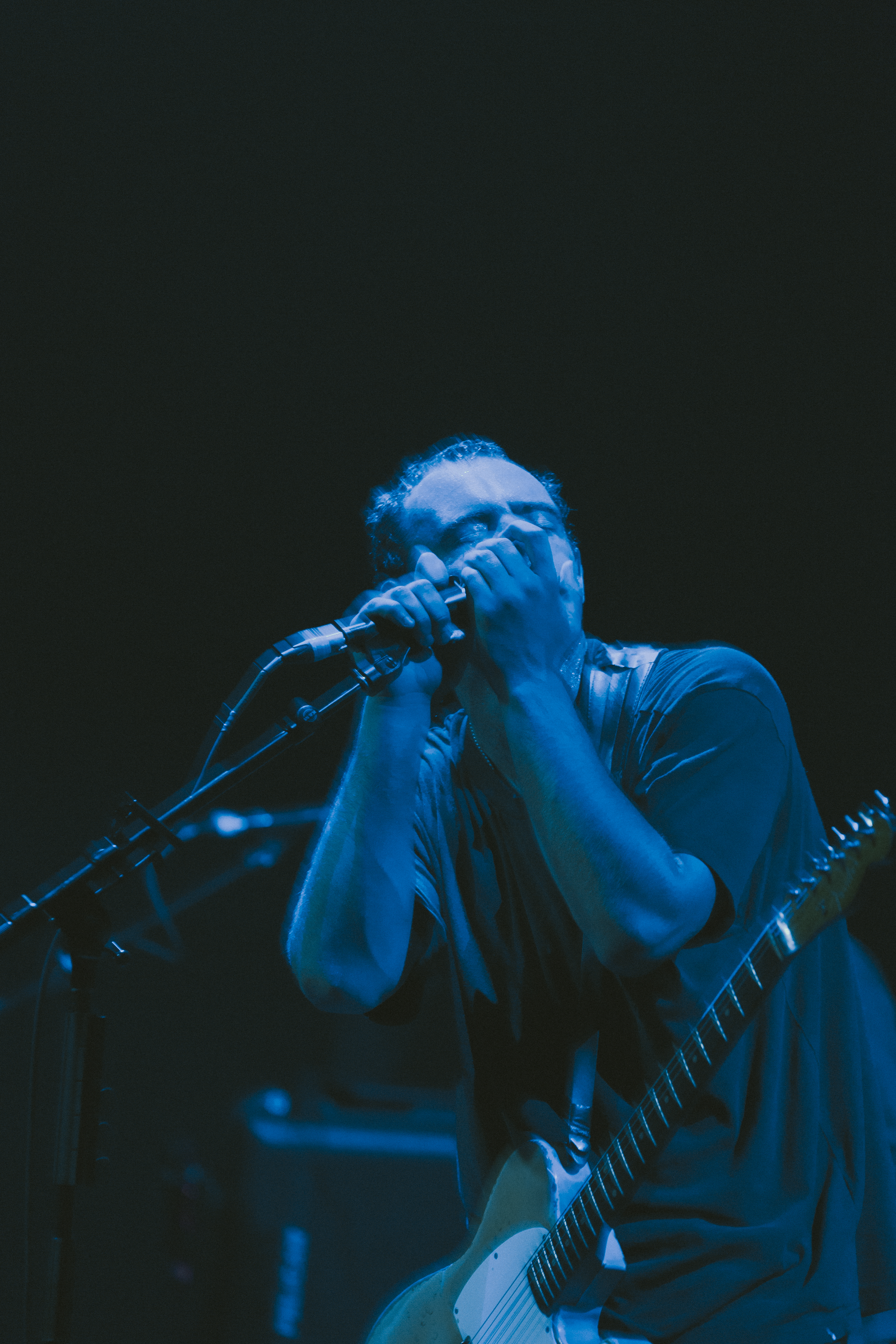
(Dropper opening for Wunderhorse at the Powerstation / Photo: Rosa Nevison)
The drumming is just unreal, Walter Martin fucking around with the kit between the third and fourth song. It’s a gorgeous interlude, almost too easy to get lost in. With the air conditioning blowing through my hair, I find my eye line drifting away from the band and to the ceiling.
I’m overcome by the strangest sense of feeling, a dislocation, as the set unfolds - until Wunderhorse hits the stage, and the haze breaks.
There’s no preamble to their arrival. Instead, they treat Midas as a statement of intent. It’s an exceptional opening song, the kind that establishes their terrain, flicks muscular and mean. The woozy Butterflies, which frontman Jacob Slater has said is about a sexual experience with an older girl, is similarly unflinching, almost sickly.
“Great to meet ya,” Slater says, before the band launches into a “girl” centric double header. Girl Behind The Glass and Girl both have a soft melancholy at their core. But Wunderhorse resists flatness, each song shifting unpredictably and refusing to settle. Their melodies shape into distorted riffs, then collapse back into bare chords wrung with longing.
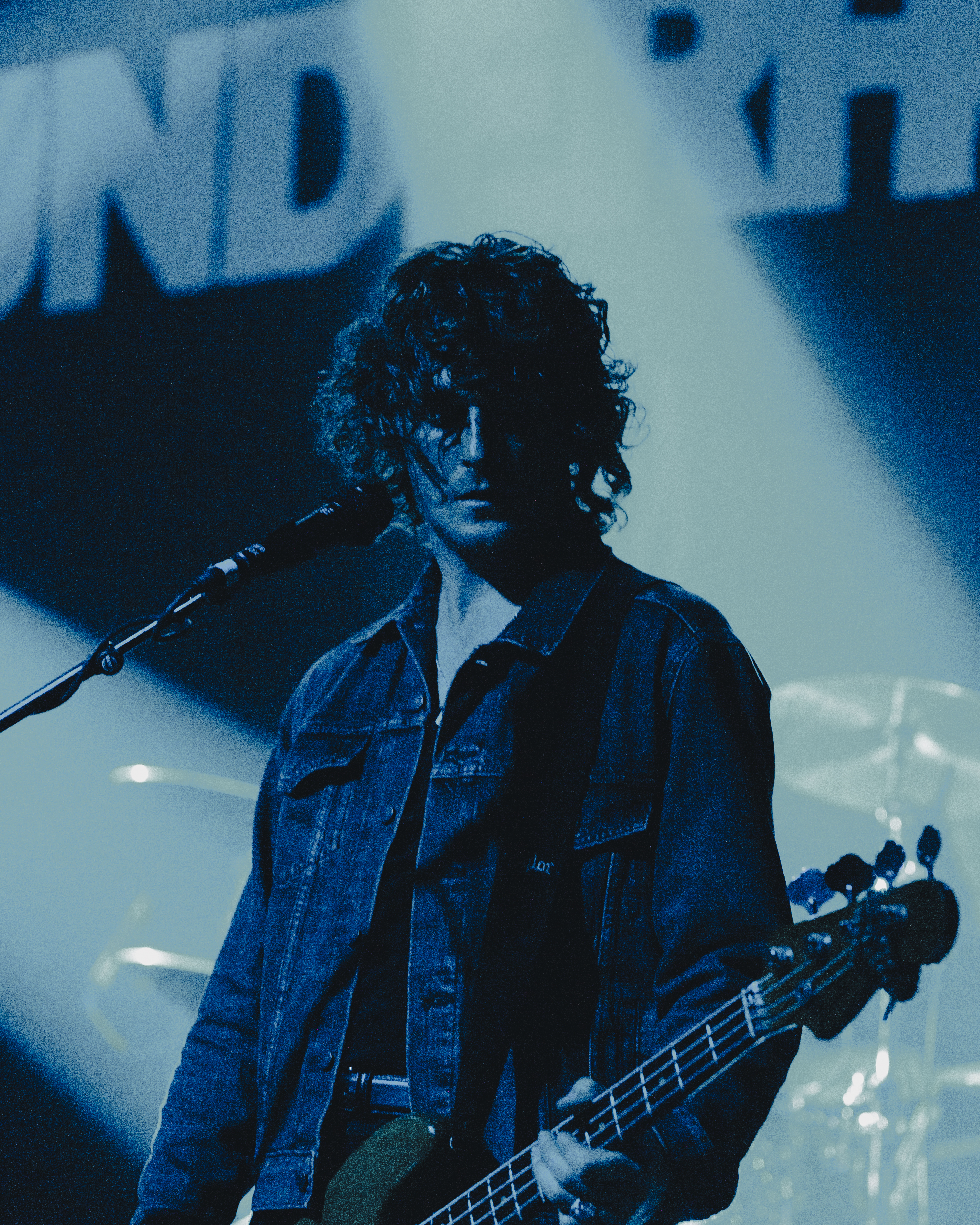
(Wunderhorse at the Powerstation / Photo: Rosa Nevison)
The band transitions into a heaving psychedelic intro worthy of Brian Jonestown Massacre, building in to the darkness anchoring Leader of the Pack. There’s a bite to Jacob Slater’s vocals, something almost venomous about his delivery that makes it distinctive. On Cathedrals, he groans gutturally over a cacophony of fuzzed out guitar.
I was legitimately devastated when they pulled out of the opening slot for Fontaines D.C. earlier this year. Both acts have dominated the current wave of indie rock, a revival that has seen them framed as duelling Britpop bands in the shadow of Blur and Oasis. But really, the two could not be more different. Where Fontaines is modernist poetry, Wunderhorse is frank, beat confessionals; where Fontaines is gothic shoegaze, Wunderhorse is more atmospheric, tones heavy with grit.
The Britpop label should seem uninspired to anyone with ears. While the band is Cornish, Wunderhorse has a distinctly American sensibility, hues of Sun Kil Moon gnawing at the heavy strings of Arizona. Slater deals in raw folksiness more than English irony, his songs cutting their teeth in 90s grunge, guitars constructing layers of melody that feel both meticulous and accidental.
He tells us he doesn't like the next song - and honestly, neither do fucking I. Purple is a cult favourite, reclaimed as a sappy ballad by the band’s fans. But with my best friend’s arms slung around me, I’m forced to see the romanticism in the song’s unguarded sentimentality.
It’s just that I respect the startling directness of the band’s dispirited songwriting. “I’ve always known an anger, and I’ve always known a shame, I felt it like a hunger, before I knew my name,” Slater sings on Silver, and the bluntness of each rhyme lands like a stab.
There is an anger to Slater’s songwriting rather than an angst, a raw nerve pulled as taut as Fowler’s guitar strings. Equally potent are the textures and sludgy tones of the instruments, which seem to carry as much weight as the words themselves.
No song encapsulates this better than Teal, the song every casual fan has undoubtedly waited for all set. Teal is definingly anthemic, by which I mean it is the sort of song that lifts you into a state of unwieldy emotion. It’s neither sad, or euphoric, or a simple mixture of both, but occupies a raw, unnamed register.
It’s difficult to sit with how you feel, but Slater makes it seem beautiful - purposeful. When the lights fade after Nirvana adjacent Superman, there is a solitary encore: Rain. They stretch the outro out and we call the refrain back too eagerly (the most annoying people in the crowd).
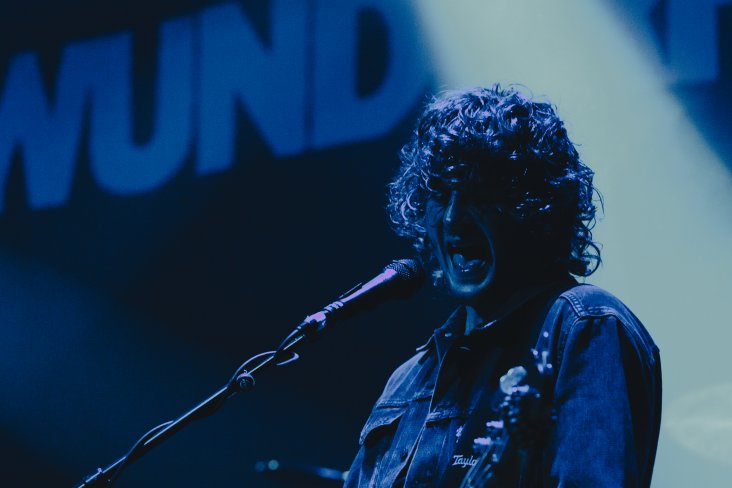
(Wunderhorse at the Powerstation / Photo: Rosa Nevison)
Me and a friend - god given to me by the hallowed institution of bFM itself - are still repeating it as we stand outside the Powerstation. We have known each other less than a year, but it feels like it’s been longer. As I look at her, I’m reminded why change is good.
So much of Wunderhorse’s music is thematically centred on memory and regret, yet sonically, they make a compelling case for moving forward. While I won’t promise to stop looking backwards in my writing, I think I am a little closer to understanding the value of the present. It’s possibilities, momentum, pushing you out into something new.
The band don’t give a fuck about being the next saviour of guitar music - they’re too busy refusing to be pinned down by the past. If the 90s won’t let go of us, at least Wunderhorse seem determined not to get stuck there.
 95bFM
95bFM